Spooky Babe: A Designer’s Honest Review for Embroidery Projects
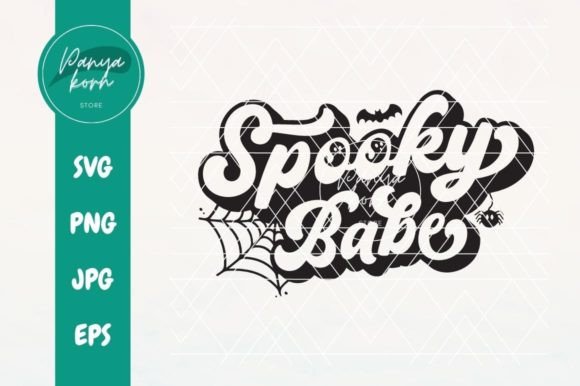
When I first opened the Spooky Babe file, I recognized a design that works well for both personal gifts and small shop merchandise. The retro Halloween feel is playful, slightly nostalgic, and direct in its messaging. The phrase carries a confident tone that suits a tote bag, sweatshirt, or t-shirt. As someone who evaluates embroidery designs professionally, I look for clarity of shape, appropriate detail level, and product adaptability. Spooky Babe delivers on all three, but like any design, it has strengths and limitations worth understanding before you stitch.
First Impressions of This Retro Halloween Design
The design leans into a vintage Halloween aesthetic that feels current rather than dated. The lettering has personality without being overly ornate, which is exactly what you want in a machine embroidery design. When a design has too many thin lines or tiny gaps, it becomes a headache under the needle. Spooky Babe avoids that. The shapes are readable at a glance, and the composition feels balanced. It does not try to do too much, and that restraint makes it versatile across products. Whether you stitch it on a cotton t-shirt or a structured tote bag, the design holds its presence without overwhelming the fabric.
The retro vibe also gives it broad customer appeal. Younger buyers enjoy the ironic confidence, while older customers appreciate the familiar Halloween flavor. If you are an Etsy seller or small shop owner looking for a design that works across generations, this is a strong candidate.
How Spooky Babe Performs on Real Products
I recently tested Spooky Babe on a custom embroidered tote bag for a local boutique order. The customer wanted something playful for Halloween that would still look good with casual outfits. I used a medium-weight cutaway stabilizer and a 5x7 hoop. The design stitched out cleanly with no registration issues. The lettering held its shape, and the retro curves translated well into satin stitch and fill stitch combinations.
On a sweatshirt, the design felt even more natural. Sweatshirt embroidery is a popular category for this kind of graphic, and Spooky Babe fits that application perfectly. The bold lettering stands up to fleece texture without getting lost in the nap. I recommend testing a small sample on your actual fabric first, but the design handles medium-weight knits very well.
For t-shirts, the design works best with proper stabilizer and a light topping to prevent stitches from sinking into the knit. The stitch density is reasonable, meaning the fabric will not pucker excessively with the right stabilizer. I have seen similar designs fail on thin jersey, but Spooky Babe's structure gives it a better chance of looking crisp after repeated washing.
Where Spooky Babe Shines Brightest
This design is naturally suited for custom apparel like t-shirts and sweatshirts, but it also works beautifully on embroidered patches. If you sew patches onto bags or jackets, the bold retro lettering stands out against a contrasting background. The design also works well on aprons for Halloween kitchen products, pillow covers for seasonal home decor, and tea towels for hostess gifts.
For baby embroidery, Spooky Babe could work on a onesie or bib as a playful Halloween outfit, but test the size first to ensure it fits the small garment properly. The design is not overly cutesy, but it has enough personality to make a fun holiday statement.
Small shop owners and craft business operators will find that Spooky Babe produces well in small batch runs. It is the kind of design that customers notice at craft fairs and holiday markets. The retro Halloween quote invites conversation, and that translates into sales. If you sell personalized gifts, this design gives you a solid option for seasonal products that are not aggressively spooky.
Where to Use Caution
No design is perfect for every product. Spooky Babe contains lettering that requires a minimum hoop size to maintain clarity. If you shrink it too much for a small cap or baby onesie, the details may become too dense or the letters may lose shape. Always test the design at your intended size before running a batch.
On stretchy fabrics like performance knit or lightweight jersey, the design can distort without robust stabilizer. I recommend a medium-weight cutaway stabilizer for most applications and water-soluble topping for high-pile fabrics. Dark fabrics also require careful thread color selection. Choose a high-contrast thread to make the retro lettering pop.
Curved surfaces like caps and fitted hats can be tricky for horizontal lettering. If you stitch Spooky Babe on a cap, test the placement first and consider slight adjustments to the curvature. The same caution applies to small hoops. Under 4x4, the design may not fit without scaling down, and scaling down can compromise readability.
Visual Appeal and Customer Perception
Spooky Babe carries a confident, playful energy that customers respond to. It has a handmade feel without looking amateurish. The retro styling gives it authenticity that mass-produced graphics often lack. When you stitch this design onto a finished product, it elevates the perceived value. A plain tote bag becomes a conversation piece. A simple sweatshirt becomes a seasonal staple.
For Etsy sellers and handmade shop owners, this design helps build brand consistency. If you offer a line of Halloween merchandise, Spooky Babe can anchor a collection that includes t-shirts, tote bags, and embroidered patches. Customers who buy one product are more likely to return for others because the design feels cohesive.
The design also works well as a printable mockup for digital product listings. If you sell digital embroidery files or design assets, you can use Spooky Babe to create mockups that show buyers exactly how the finished product will look. Clear mockups lead to more engagement and higher conversion rates.
Practical Embroidery Notes Before You Stitch
Before full production, run a few simple tests. Stitch the design on scrap fabric that matches your final product's weight and texture. Check thread color contrast against both light and dark backgrounds. Review stitch density to ensure it is not too heavy for delicate fabrics. Confirm your hoop size can accommodate the design at full scale.
Test the design in black and white mockups first to see how the lettering reads without color. This helps spot potential issues with shape or balance before you waste thread. If you plan to sell finished items, confirm the commercial use rights. The product listing mentions the files can be used on items like t-shirts, mugs, signs, or stickers, but verify the specific license terms before selling finished products or digital files.
For machine embroidery, use a fresh needle and proper tension. The satin stitch and fill stitch areas will thank you. If you are new to embroidery, run a test stitchout and adjust your stabilizer based on the fabric. A well-executed test saves time and frustration.
Final Thoughts for Designers and Small Shop Owners
Spooky Babe is a solid addition to any Halloween embroidery lineup. It offers retro charm, practical stitchability, and broad product potential. Whether you are making custom apparel for clients, stitching patches for a craft fair, or building a seasonal collection for your Etsy shop, this design delivers visual impact that customers notice and remember.
The design works best at moderate to larger hoop sizes on stable fabrics like cotton, fleece, and medium-weight knits. With the right stabilizer and thread contrast, it stitches out cleanly and holds up well to regular wear and washing. Pay attention to small details during testing, and the finished product will look professional and intentional.
For the designer, the crafter, the small business owner, and the hobbyist alike, Spooky Babe represents a balance between personality and practicality. It is the kind of design that earns a place in your regular rotation because it works, it sells, and it makes people smile. That is a combination worth stitching.