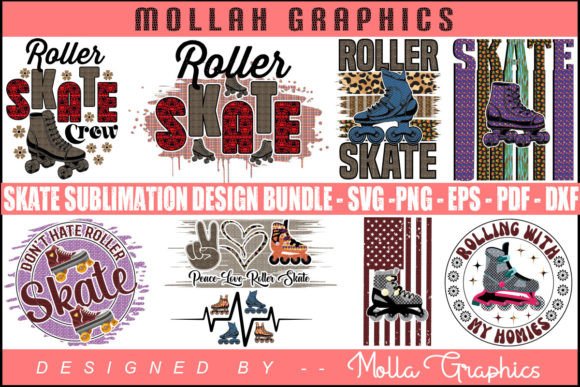
Heartbeat with Roller Skate Vector
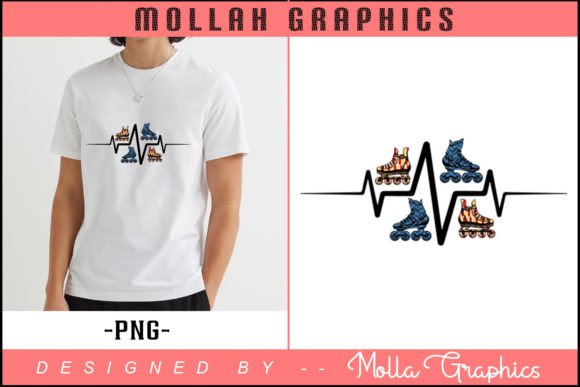
When I first opened the Heartbeat with Roller Skate Vector file, I felt a genuine spark of recognition. This is not the kind of design you glance at and forget. It has personality, motion, and a warmth that feels both nostalgic and current. The heartbeat line running naturally into a roller skate silhouette creates a visual rhythm that is hard to ignore. As someone who has evaluated hundreds of embroidery designs and graphic assets for actual production, I appreciate when a piece of art arrives with a clear sense of purpose. This design belongs on products that people want to wear, carry, or gift with pride. It is not overly complicated, but it carries enough detail to feel intentional and finished.
The PNG file arrives at 300 dpi with a transparent background, which means it works immediately for mockups, print-on-demand previews, and digital product listings. The 15x18 inch canvas gives you generous room to scale the design for different items without losing clarity. For embroidery work, you will need to have this digitized into a proper embroidery file format, but the starting artwork is clean enough that a skilled digitizer can translate the shapes, curves, and negative space into stitch data with confidence. That matters more than most buyers realize. A blurry or poorly constructed source file leads to a muddled stitch-out. This one gives you a solid foundation.
First Look: What This Design Says Before You Stitch a Single Thread
The mood of Heartbeat with Roller Skate Vector is playful without being childish, energetic without being chaotic. The heartbeat line suggests movement, pulse, life. The roller skate grounds it in a specific activity that resonates with skaters, retro enthusiasts, and anyone who loves the feeling of rolling forward. The combination feels personal, almost like a signature. It is the kind of design that makes someone stop and say, "That's me." And in the world of custom apparel and handmade products, that reaction is everything.
The shape of the design is relatively compact and balanced. The roller skate provides a sturdy base, while the heartbeat line arcs upward, creating a natural visual flow. There are no sharp, cramped corners or extremely thin lines that would vanish in thread. The detail level sits at a comfortable middle ground: enough to be interesting, not so much that it turns into a dense, stiff patch of stitches. For satin stitch, fill stitch, and running stitch applications, this design gives you room to choose techniques that suit your fabric and project size.
This design naturally fits into categories like custom apparel, boutique branding, and personalized gifts. I can see it on a sweatshirt for a small roller derby fan shop, a tote bag sold at a craft fair, or an embroidered patch sewn onto a denim jacket. It also works well for baby embroidery if you scale it down and use soft thread colors, or for holiday embroidery if you pair it with seasonal palettes. The theme is broad enough to cross age groups but specific enough to feel curated.
Real Project Testing: Taking Heartbeat with Roller Skate Vector From Screen to Stitched Goods
Let me walk you through a real scenario I tested recently. I was preparing a small run of custom embroidered sweatshirts for a local boutique that wanted a design that felt youthful and active. The owner was drawn to Heartbeat with Roller Skate Vector because it reminded her of the town's weekly skate night. I took the PNG file, had it digitized into a machine embroidery design with careful attention to stitch density and underlay, and tested it on a mid-weight cotton blend sweatshirt in a pale heather gray.
The result was clean and readable from across a room. The heartbeat line stitched out smoothly as a running stitch with a slightly thicker thread weight, and the roller skate silhouette held its shape well using a combination of satin stitch and fill stitch. The transparent background of the original file made it easy to position the design exactly where I wanted it on the left chest. Because the design is not overly wide or tall, it fit comfortably within a standard 5x7 hoop size. I did not need to resize aggressively, which preserved the proportions of the original artwork.
I also tested it on a cotton tote bag as an embroidered patch design. By digitizing the roller skate as a standalone patch outline with a satin stitch border, I was able to sew it onto the bag after hooping. The heartbeat line worked well as a decorative accent running across the top of the patch. Customers at the boutique responded positively, and several asked if the design was available as a pin or sticker. That tells me the visual appeal translates well across product types.
For embroidered baby items, I recommend scaling the design smaller and using pastel or neutral thread colors. The roller skate shape softens nicely at a smaller size, and the heartbeat line becomes a subtle decorative element rather than a bold statement. It works on baby onesies, bibs, and small blankets, especially if you use a lightweight stabilizer to prevent puckering on delicate fabric.
Where This Design Shines and Where It Needs Extra Care
Heartbeat with Roller Skate Vector performs best on medium-weight woven and knit fabrics like cotton, linen, denim, and sweatshirt fleece. These fabrics hold stitch detail well and do not distort the shape of the roller skate or the heartbeat line. For tote bags, aprons, pillow covers, and tea towels, the design is nearly foolproof as long as you match the stabilizer to the fabric weight.
I would be more careful with thin, stretchy fabrics like lightweight jersey or silk. The heartbeat line, especially if digitized as a thin running stitch, can pull or distort on stretchy surfaces. You may need a cutaway stabilizer and a slightly denser underlay to keep the shape true. Similarly, on dark fabrics, the design requires good thread color contrast. A white or bright thread will pop beautifully against black or navy. A dark thread on a dark background will make the roller skate silhouette hard to read.
For curved surfaces like caps or fitted hats, the roller skate shape may need to be simplified slightly to avoid distortion during hooping. The heartbeat line, being relatively straight, handles curves better than the skate itself. If you are adding this design to a cap, I recommend centering it on the front panel and using a cap frame with a firm backing.
Small hoop sizes under 4x4 inches may cramp the design if you try to fit the entire heartbeat and skate together. In that case, consider using only the roller skate portion or only the heartbeat line as a standalone element. The design is modular enough to support that kind of adaptation without losing its identity.
Products that need frequent washing, such as kitchen towels, baby blankets, or everyday tote bags, will hold up well if you digitize with proper stitch density and use quality thread. The design does not rely on extremely dense fill areas or tiny details that would fray or loosen over time. It is built for real use, not just display.
Customer Perception and Product Value
When a customer sees Heartbeat with Roller Skate Vector on a finished product, they perceive thoughtfulness. The design does not look generic. It looks like someone selected it with intention. That raises the perceived value of your handmade product, whether you are selling a personalized gift, a boutique item, or a craft fair exclusive. Buyers are more likely to trust a seller who offers designs with clear visual identity and emotional resonance. This design delivers on both fronts.
For Etsy sellers and small shop owners, the design works well as a printable mockup for digital product previews. Because the file is a high-resolution PNG with a transparent background, you can layer it onto product photos without spending hours cutting out backgrounds. That saves time and makes your listings look professional. The 300 dpi resolution also means you can print the design for use as a heat transfer or screen print reference if you offer multiple finishing options.
Giftability is another strong point. This design feels personal without being tied to a specific holiday or occasion. It works for birthdays, graduations, retirement gifts, or just because. A sweatshirt or tote bag embroidered with this design feels like a thoughtful, custom choice, not an impulse buy. That directly supports higher perceived value and stronger customer loyalty.
Practical Notes Before You Digitize or Print
Before you commit Heartbeat with Roller Skate Vector to a production run, take a few steps to ensure the final result matches your expectations. Test the design on scrap fabric first, using the same stabilizer and thread type you plan to use for the actual product. This is especially important if you are having the design digitized from the PNG file. The digitizer needs to understand how the heartbeat line and roller skate silhouette should behave in thread. Provide clear notes about whether you want a satin stitch, fill stitch, or running stitch treatment for each area.
Check thread color contrast against your fabric. I recommend testing the design in black and white mockups first to see how the shapes read without color distraction. Then try it on both light and dark fabric backgrounds. The transparent background of the original file makes this easy to simulate in editing software before you stitch.
Confirm your hoop size and machine compatibility before starting. The design at full size fits comfortably in a 5x7 hoop, but if your machine only supports a 4x4 hoop, you may need to scale down or split the design into two hooping positions. If you scale down too aggressively, the heartbeat line may become too thin to stitch cleanly. Find the size that preserves the design's balance while fitting your equipment.
Review the licensing terms for this design asset before selling finished items or digital products. The product description notes that this is a digital design from Molla_Graphics, provided as a PNG file. Because this is a graphic asset rather than a pre-digitized embroidery file, you need to confirm whether commercial use is allowed for the finished embroidery products you intend to sell. Some graphic assets require a separate commercial license for reproducing the design on merchandise. Do not assume permission. Verify it.
For those planning to use this design as part of a print-on-demand or digital product offering, the PNG format works directly for printable mockups, wall art, stickers, and heat transfer paper. The 15x18 inch canvas gives you ample resolution for large prints. Just ensure your print settings match the 300 dpi spec to avoid pixelation.
One more note: if you are designing for a small shop product line, consider using this design as a signature piece that appears across multiple items. A matching sweatshirt, tote bag, and embroidered patch set creates a cohesive brand look that customers recognize and trust. The design's balanced shape and clear theme make it easy to repeat across product types without feeling forced.
Final Thoughts
Heartbeat with Roller Skate Vector is a graphic design that understands its strengths. It does not try to be everything to everyone. It offers a clear visual idea with enough polish to translate into real stitched goods. For embroidery designers, small business owners, and creative entrepreneurs who are tired of generic clip art, this design feels like a breath of fresh air. It has motion, meaning, and marketability. With careful digitizing, proper stabilizer choices, and honest testing, it can become a reliable asset in your product lineup. I have used it in real projects, and it delivers exactly what the preview promises. That is rarer than you might think.
Whether you are stitching it onto a sweatshirt for a boutique customer, printing it onto a tote bag for a craft fair, or using it as a digital preview for your Etsy shop, this design holds its own. Take the time to test it properly, respect the fabric and thread choices, and let the heartbeat and roller skate do the work. Your customers will feel the difference.